
Growing Roots - our residential permaculture design course
Many of us feel it at some point — a quiet sense that at some point we lost our way from our place as interconnected creatures within the web of life. That the decisions that we make as humans in modern society aren’t always rooted in sound wisdom.
Permaculture offers us another path. One that invites us back into relationship with the living world, and asks how we might meet our needs with greater care, intelligence and responsibility.
The Permaculture Design Course is created for those who feel ready to explore that path — whether you are just beginning, or finally answering a call that you have felt for years.
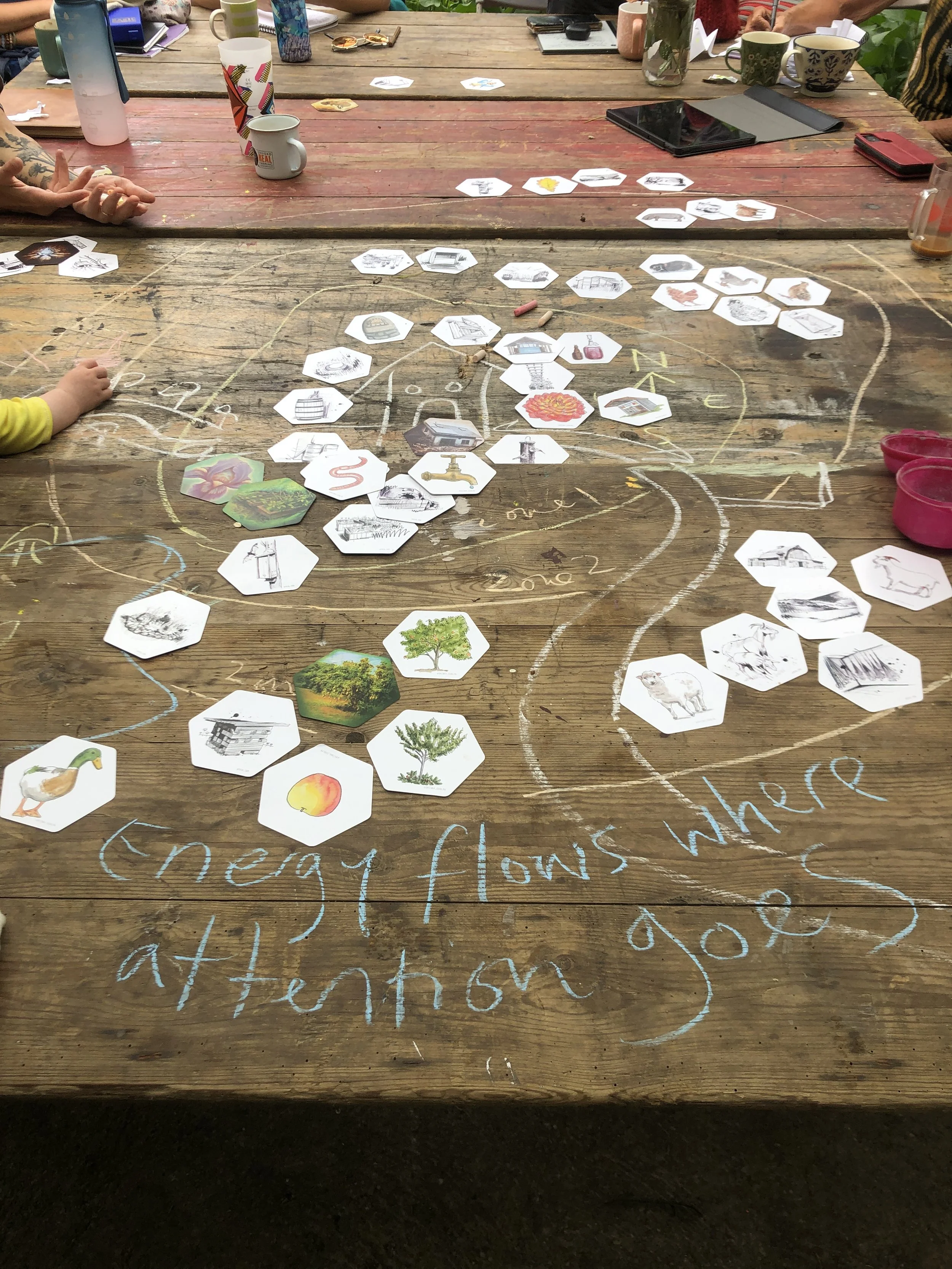
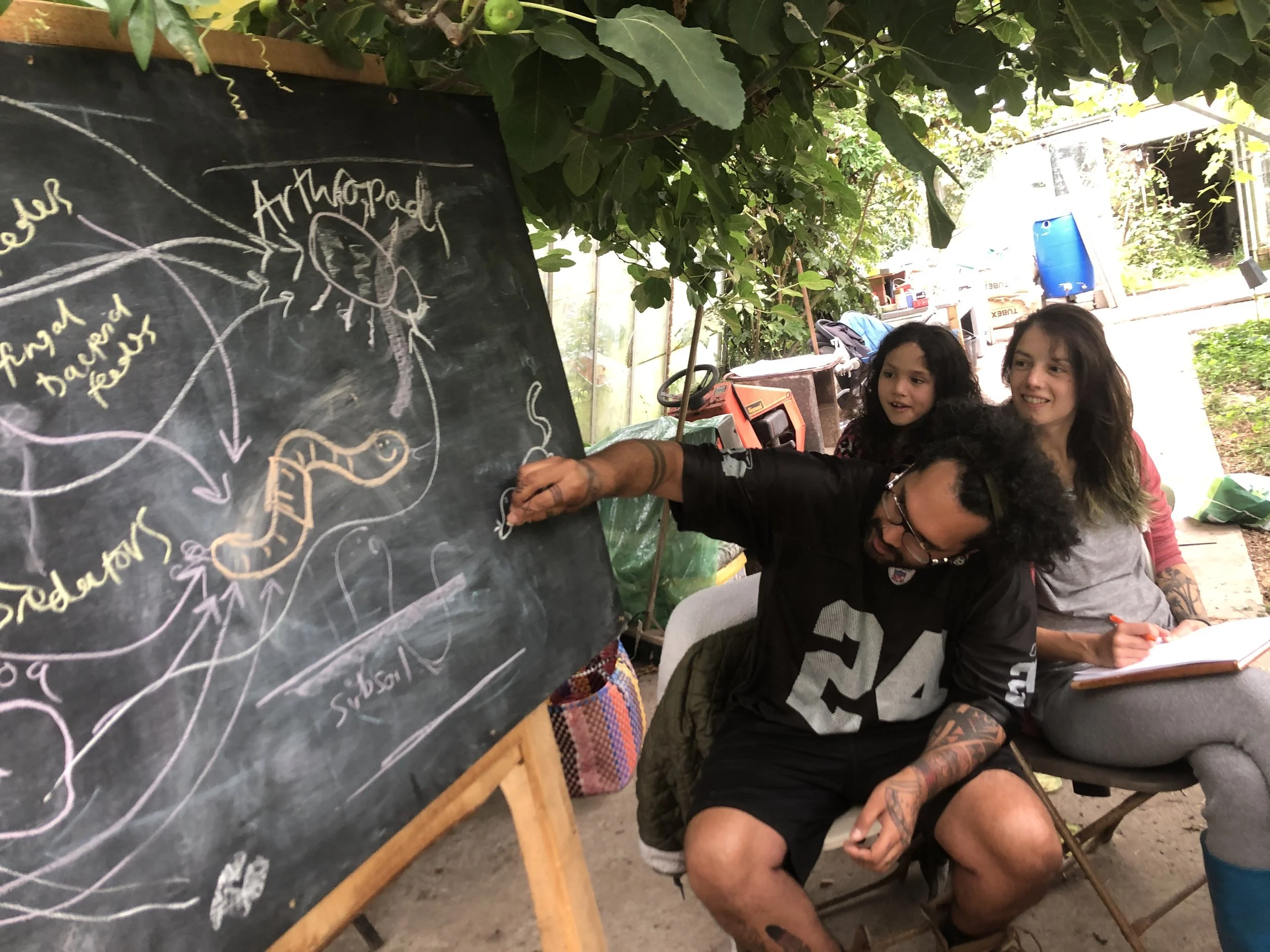
Over our time together, we’ll explore how the patterns and intelligence of natural systems can guide the way we design our homes, landscapes, livelihoods and communities. Expect a rich blend of ecological theory, hands-on practical learning, immersive and experiential activities, thoughtful conversation, and time to reflect. This is powerful head, heart and hands learning and may just create the shift you are looking for.
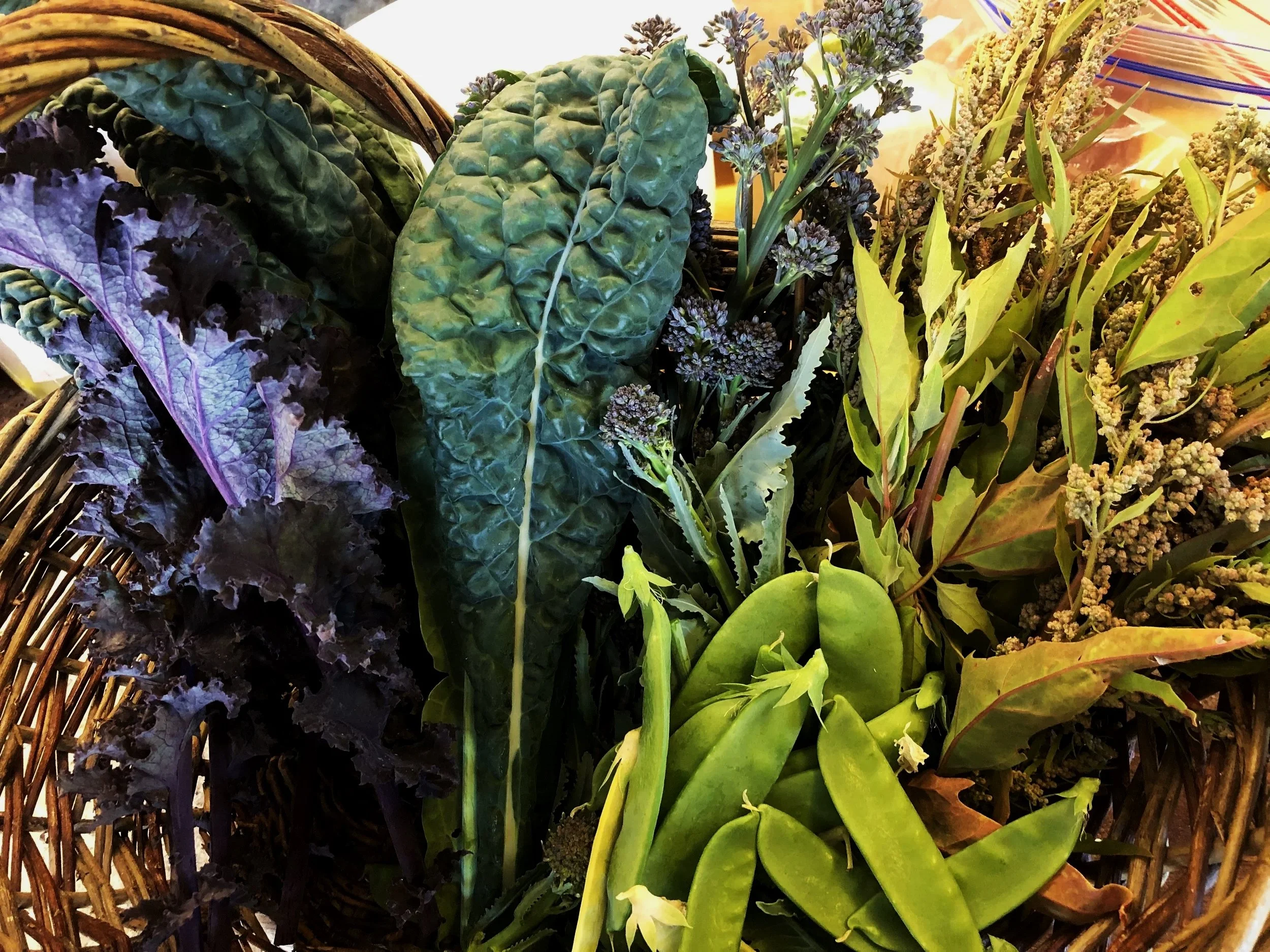
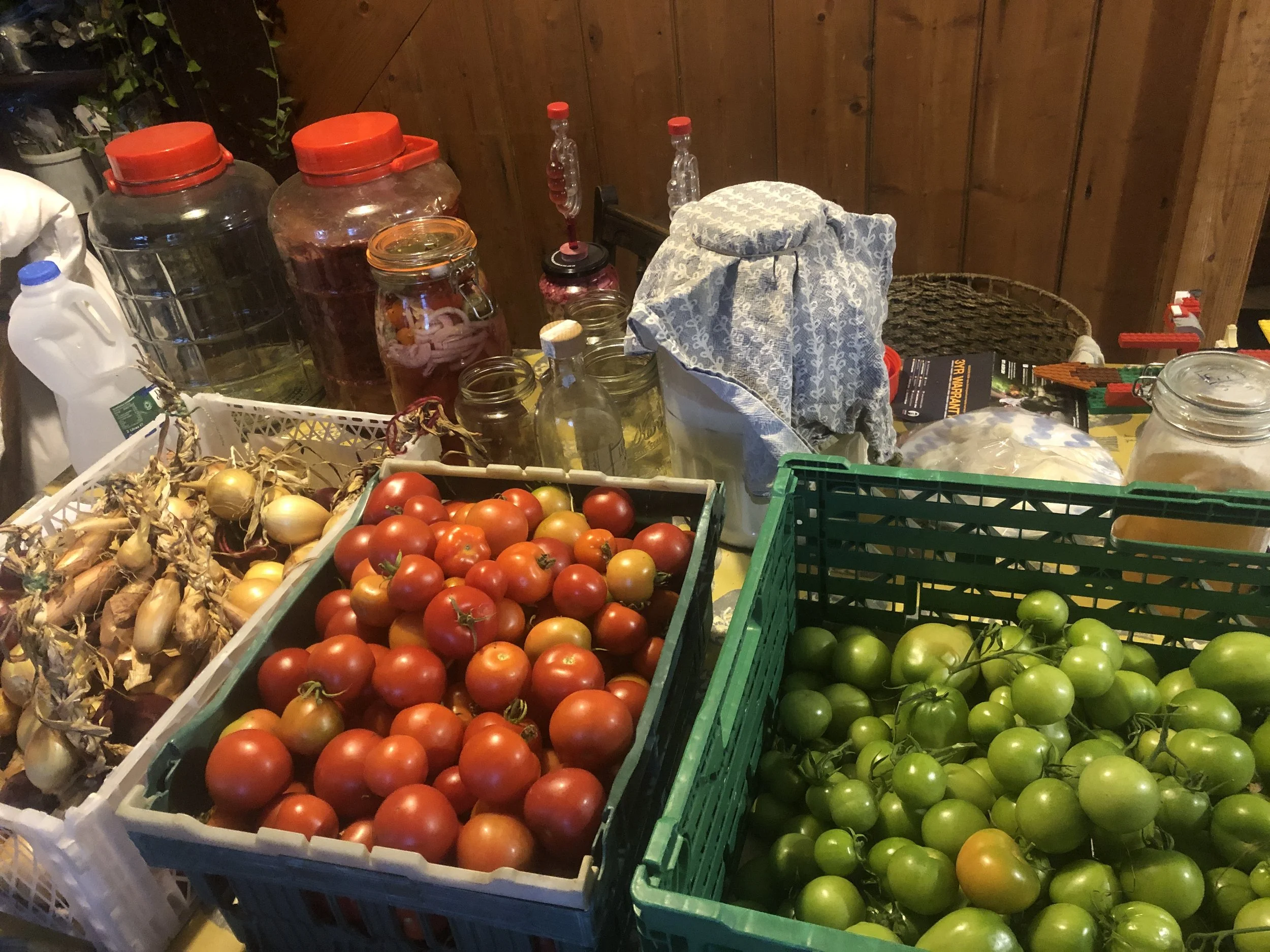
Following the UK Permaculture Association curriculum, we’ll cover many topics - including soil health, food growing, trees and perennial systems, plant knowledge and propagation, natural building, preserving the harvest, social permaculture, and regenerative design thinking. Throughout the course you’ll be guided step-by-step through the full design process, culminating in a group project where everything you’ve learnt begins to weave together.
You’ll leave with an internationally recognised Permaculture Design Certificate — and, more importantly, with the confidence and clarity to begin shaping meaningful change in your own life.
The rhythm of our time together
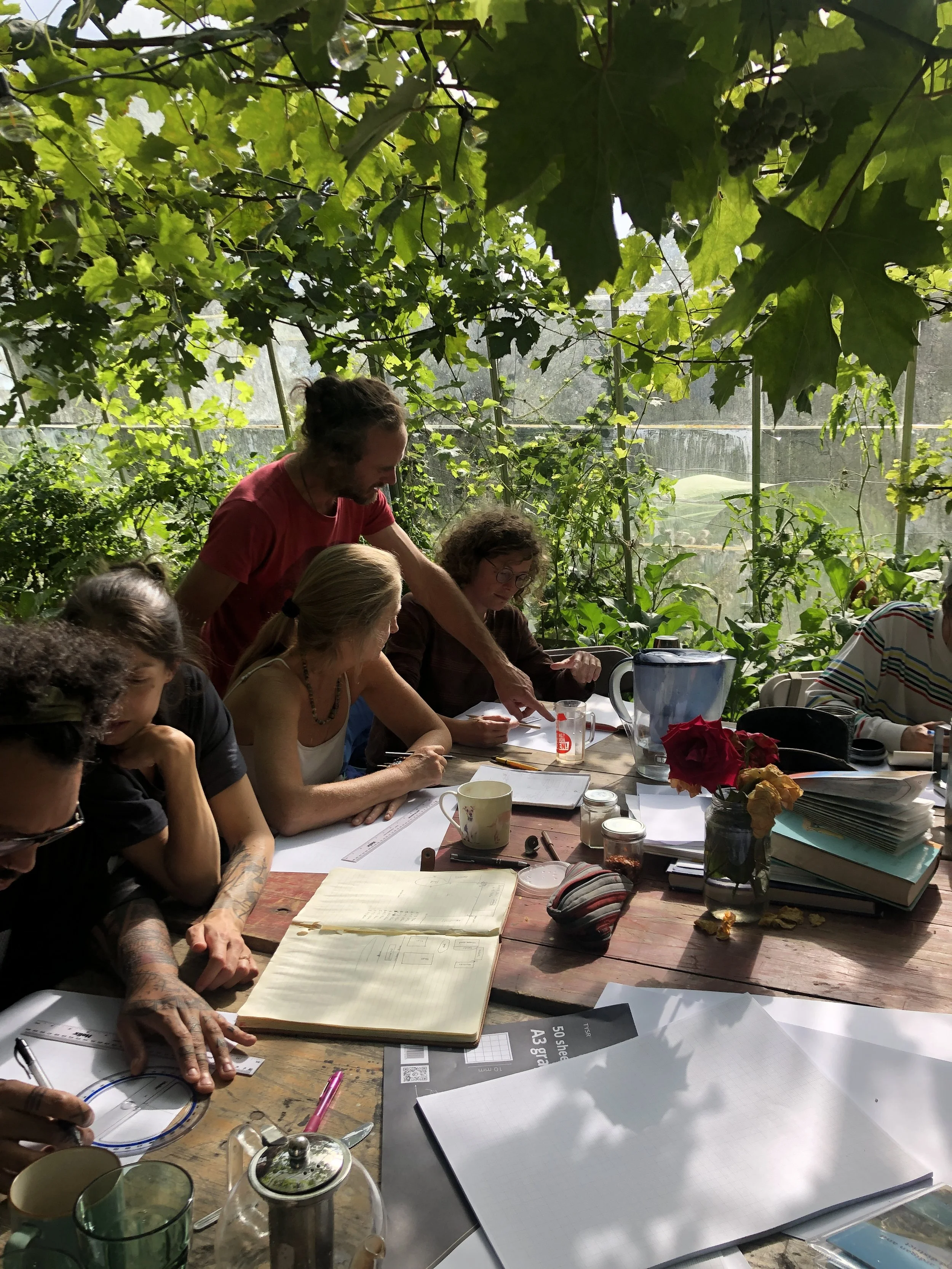
Our days follow a rhythm that feeds and nourishes the intellect whilst allowing ample integration time and direct experience. We start and end each day in circle, weaving in movement and grounding meditations to connect us all to the place, ourselves and each other.
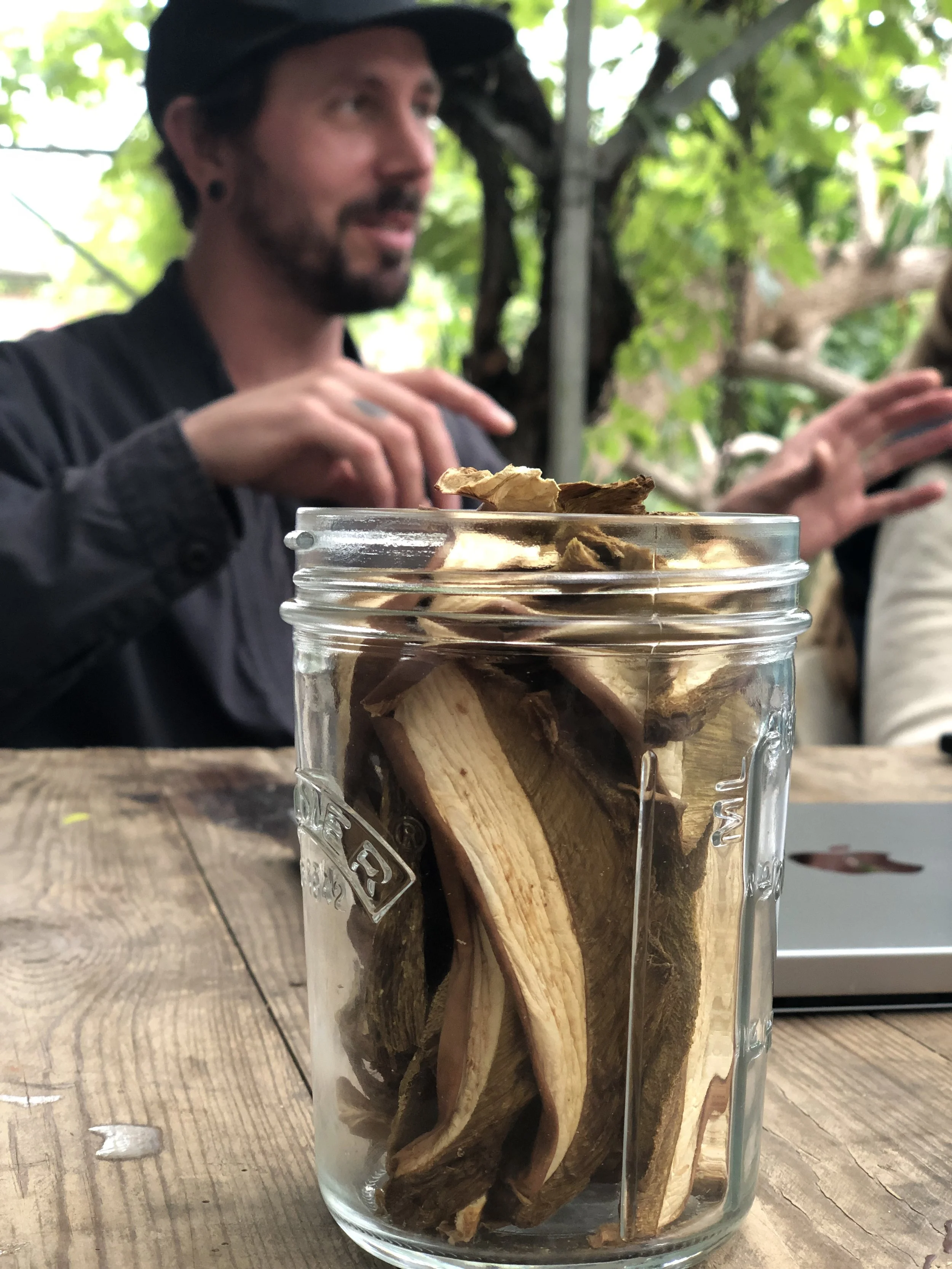
After a morning circle a main pattern of our day is that we embrace theory in the mornings, and practical learning in the afternoons. Site visits are spread throughout the week, along with learning visits to natural sites surrounding the farm - including the beach and forest.
You may feel at home here if you are…
longing to live more lightly and responsibly
dreaming of growing food or tending land
considering a life or career shift
wanting greater resilience for yourself or your family
seeking practical skills for changing times
drawn to community, connection and purposeful work
Beginners are wholeheartedly welcome, and those with experience always find the course brings new insights and learnings. You don’t need to currently have access to land to join us - applying the wisdom of a design system rooted in natures patterns can bring great change to any context and setting.
Families
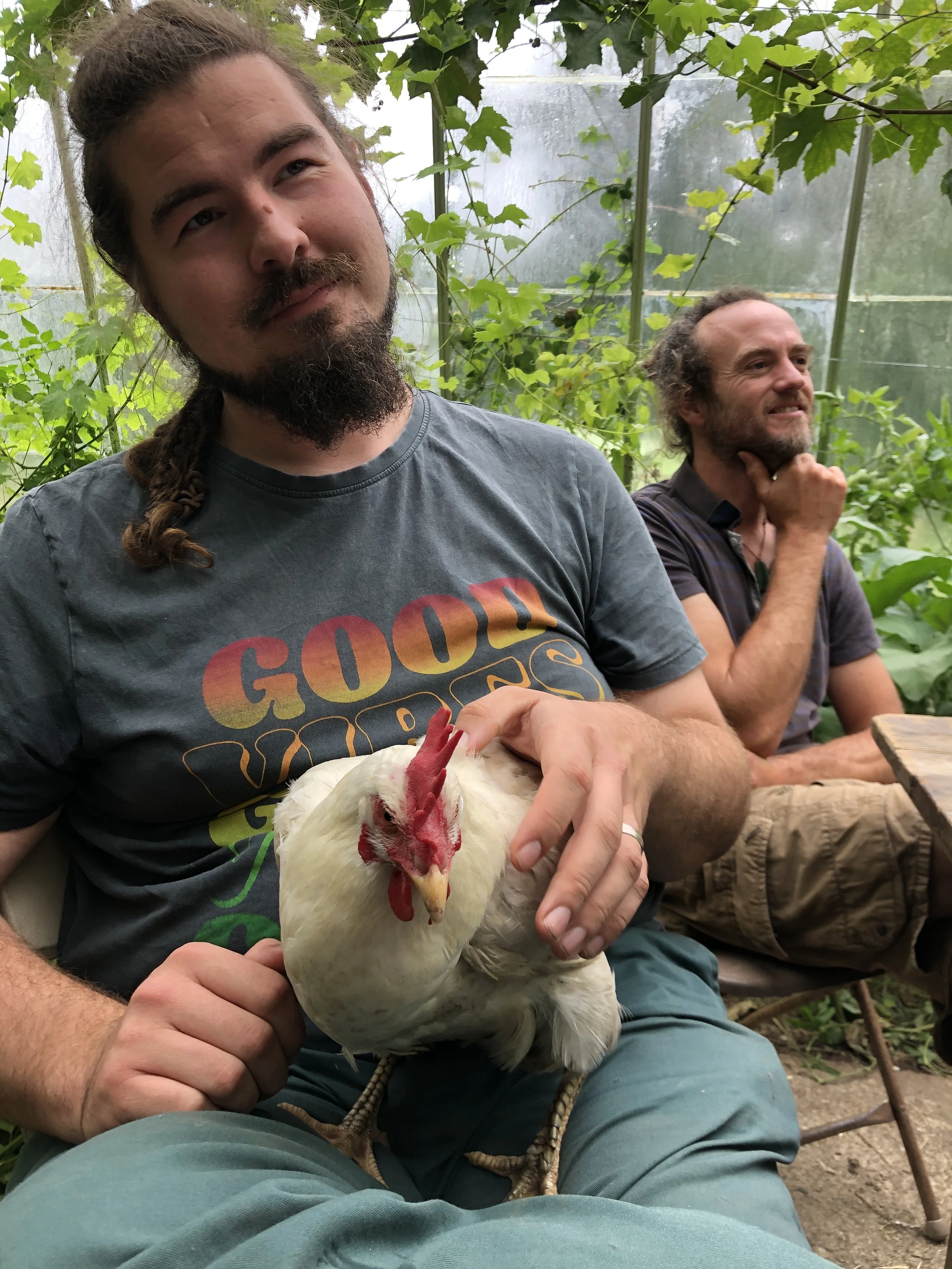
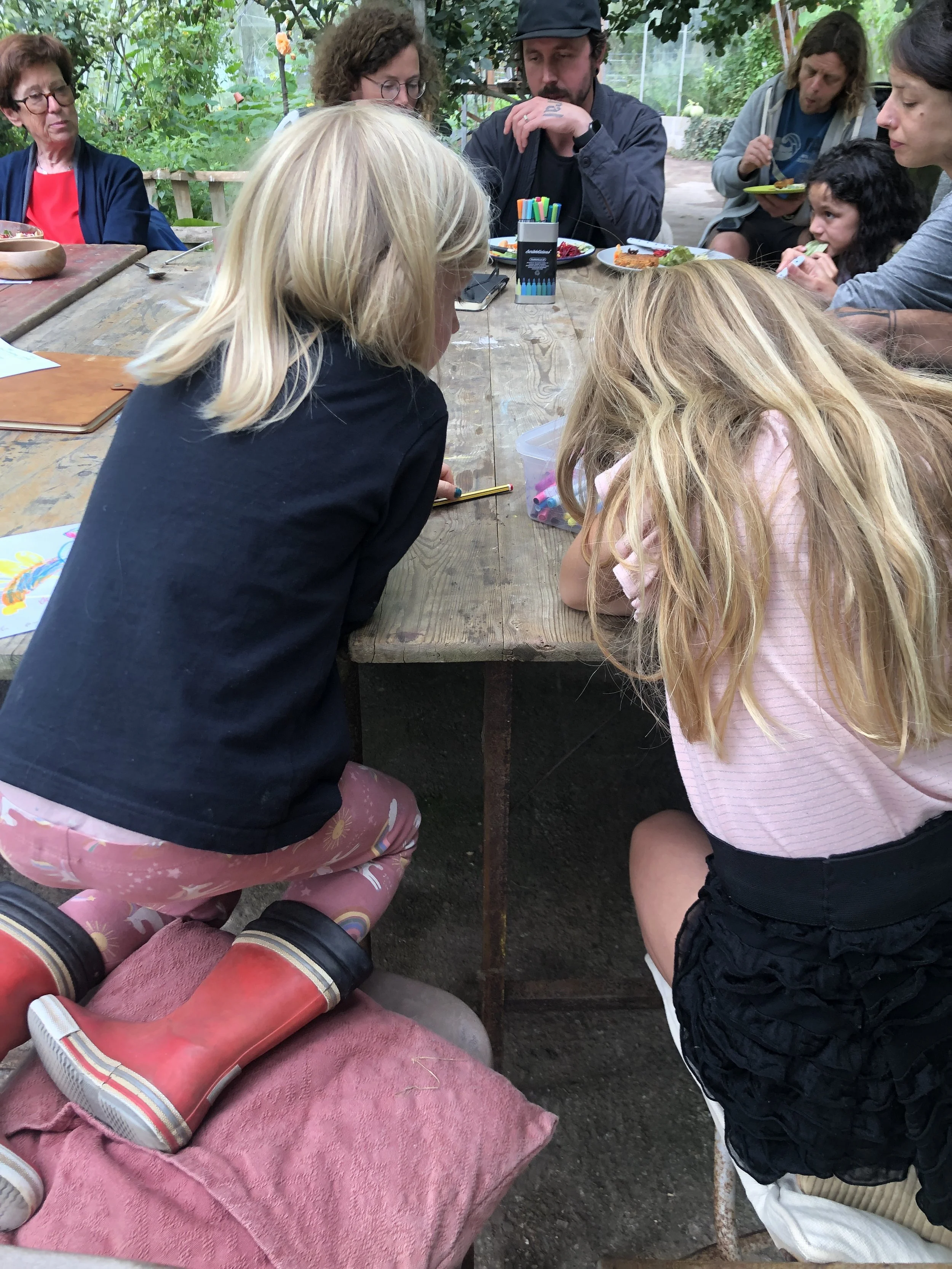
As parents ourselves, we know how significant it is to find learning spaces that can welcome the whole of life and so this is a family friendly course. This means that those with families are welcome to join us, and children and co-parents/caregivers are welcome to camp with us free of charge whilst one parent learns with us. Everyone is welcome to come together for meals and site visits (We only ask for a contribution towards food if sharing meals together).
Please note - this course is designed for adults and we do not provide any childcare, so children will need a second parent, friend or caregiver to be with the children during class hours. Families can make the most of our beautiful location for local adventures offsite whilst we are immersed in learning, and fill their days with beach adventures and ice creams.
The land
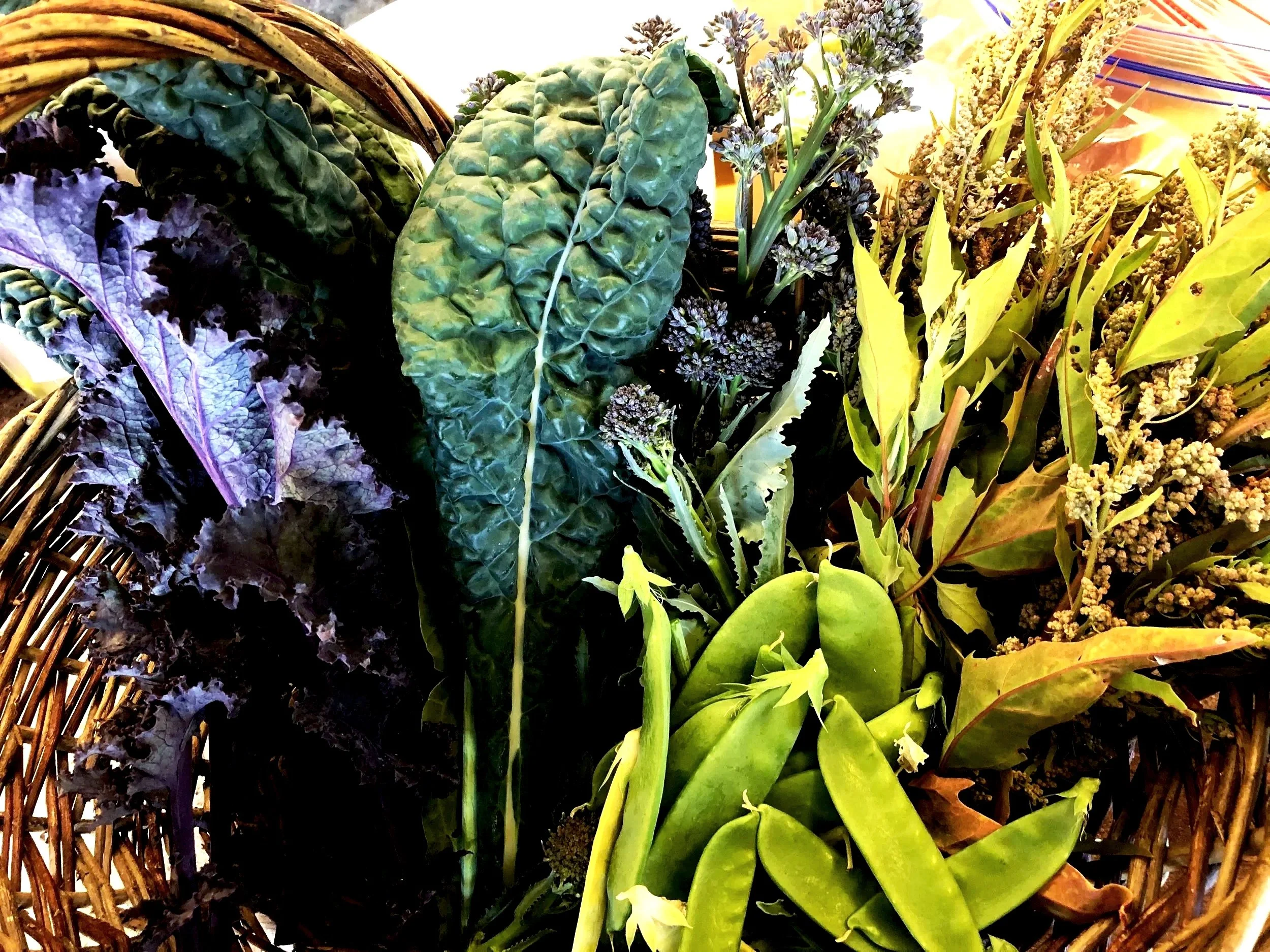
The course is held at Cynefin Farm, our home and restoration project in the North Pembrokeshire National Park. You can read more about Cynefin farm here. This is an evolving project and a good opportunity to see a homestead and renovation in practice. The land here suffered for decades from destructive practices and disturbance, and so is a wonderful place for learning and experimenting with a wide range of regenerative ecological techniques to explore the best ways to restore the land back to life.
Camping in the wildflower meadows here is included in the course price, with access to very nice composting toilets and a warm shower. All meals are also provided using fresh, seasonal produce from the farm and local growers wherever we possibly can.
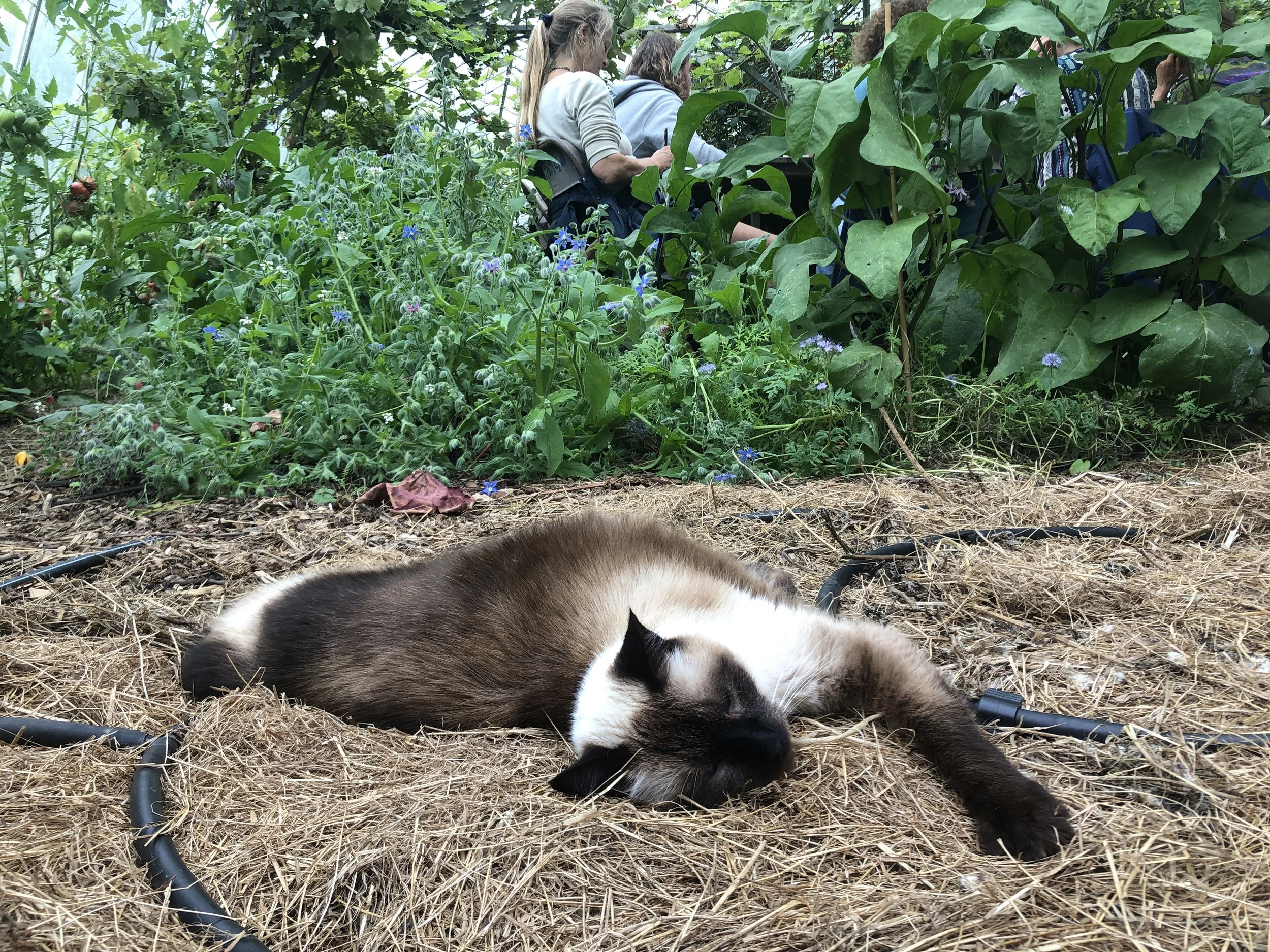
“I realise that the universe brought me here at just the right time and I’m so happy I did it with you and no other teacher. Thank you so much, you changed my life and my heart”
“The course was just superb - really well thought out, amazing responsiveness to our needs, and dynamics of the group energy. Amazing breadth of content and depth of coverage. Beautiful space and such kindness and welcoming energy. So appreciate being able to share this experience with you and the group. ”
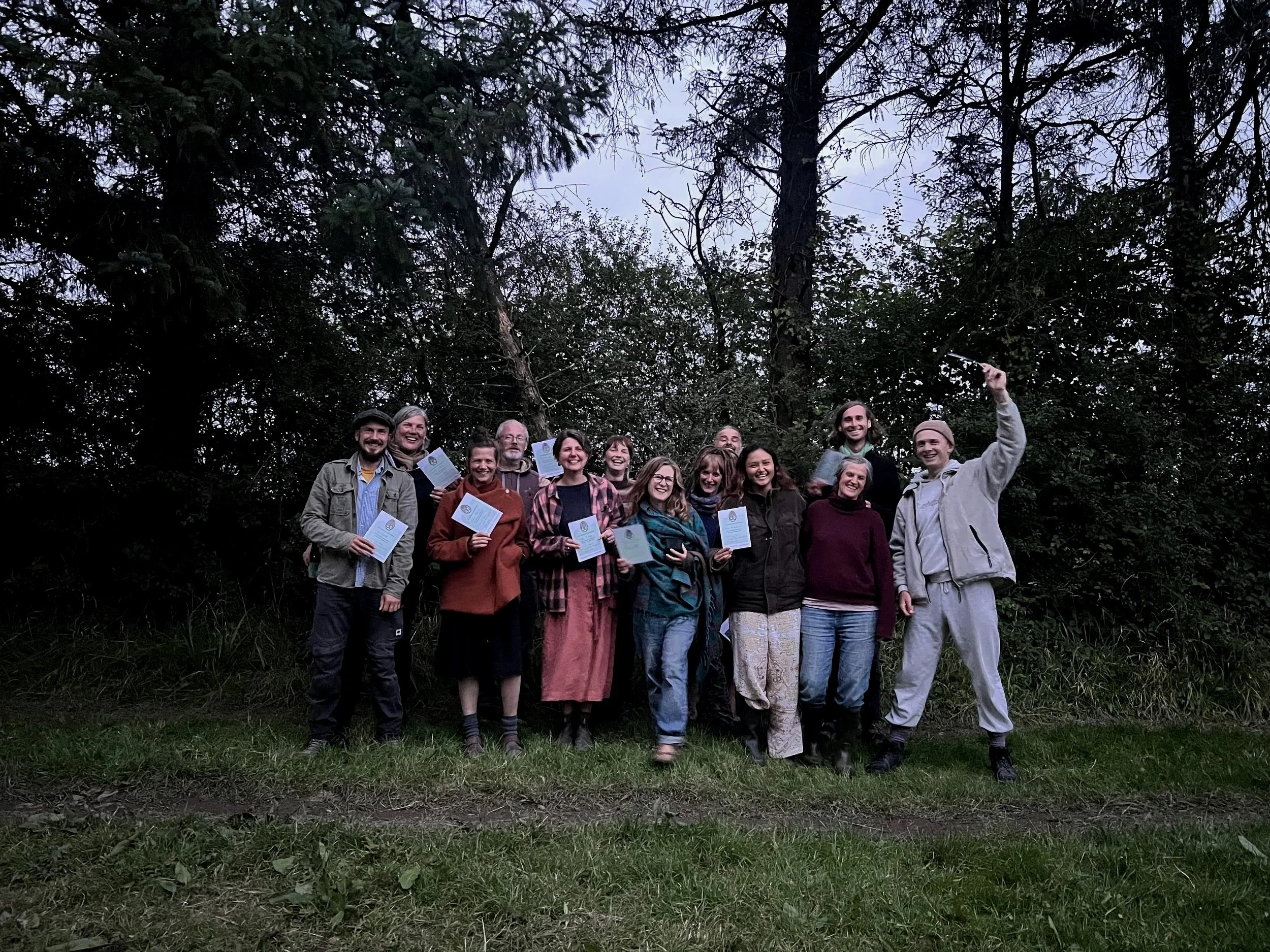
Course Dates 2026
The course spans 12 days and is paced across three long weekends, each about a month apart over the summer. Teaching takes place from Friday through Monday, with arrivals on Thursday evening to allow time to settle in before we begin.
Weekend One
3rd–6th July
Arrivals on 2nd July
Weekend Two
31st July–3rd August
Arrivals on 30th July
Weekend Three
28th–31st August
Arrivals on 27th August
Course fees
We recognise that everyone arrives with different financial circumstances. To help keep this course accessible while also sustaining the work, we offer a tiered pricing structure and invite you to choose the tier that feels manageable and honest for your situation.
Choosing a supported tier is genuinely welcome if that is what makes your participation possible, while those able to select a higher tier help support wider accessibility and the long-term sustainability of this work.
Tier 1 – Supported / Concession
£825
Tier 2 – Standard
£950
Early Booking Rate (Standard Tier)
£895
Early booking is available until the end of March, or until a number of places have been reserved.
Tier 3 – Supporter / Pay It Forward
£1,100
If you’re unsure where you might sit, the infographic here offers some guidance.

teaching team
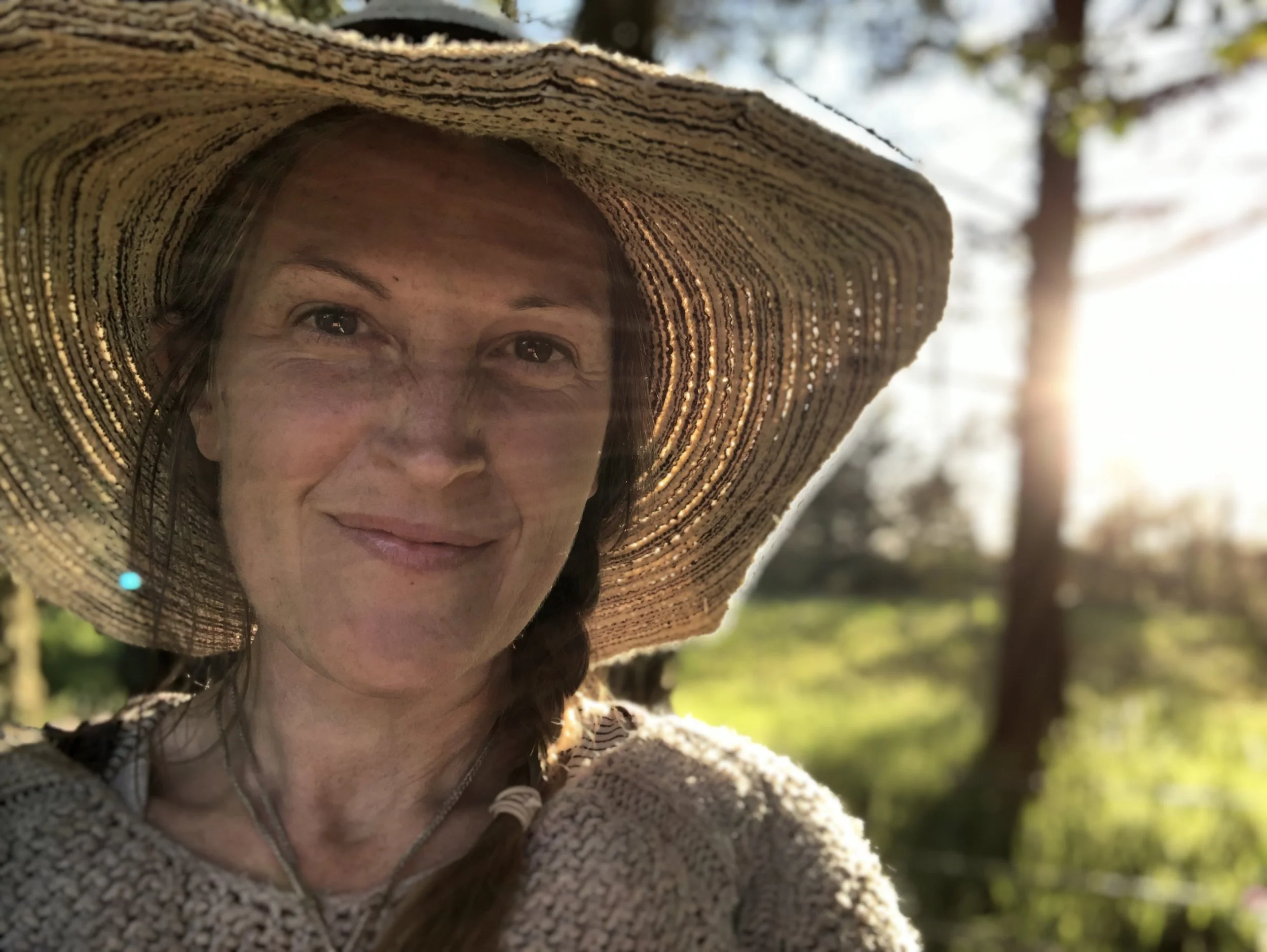
Nim Robins
Nim will be the lead teacher on this course holding the main course structure and learning activities
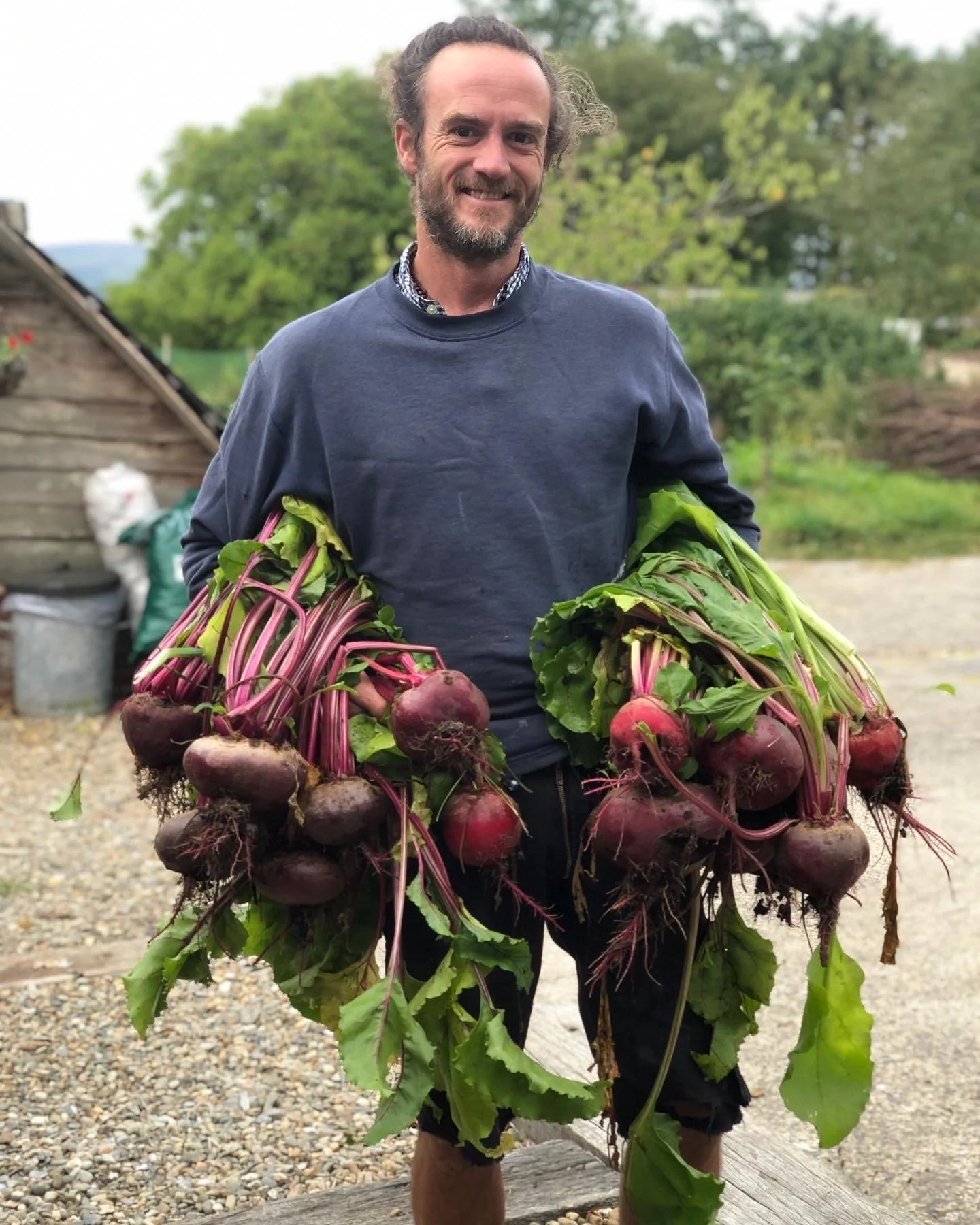
Pete Lees
Pete will be supporting the course on site and sharing his passions and skills in natural building, fermentation and food preservation
Guest teachers and site visits 2026
-
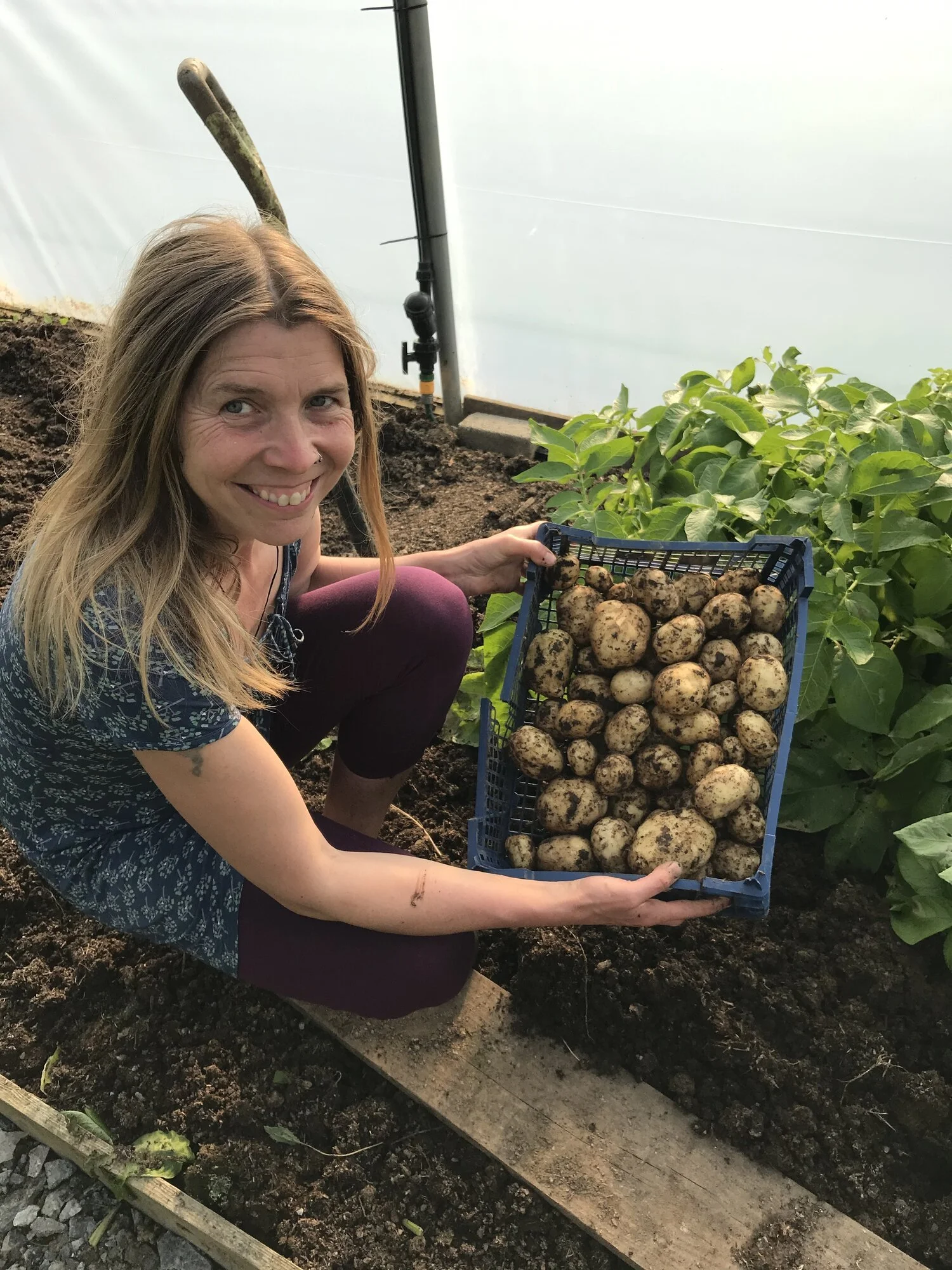
Peni Ediker
Peni Ediker runs Swn y Coed - a One Planet Development smallholding in West Carmarthenshire that we will be visiting on the course.
Her smallholding is a thriving and abundant example of what can be achieved by careful soil health practices and passionate permaculture food growing techniques. You can find Peni’s website here or watch a great YouTube video of her plot here
-
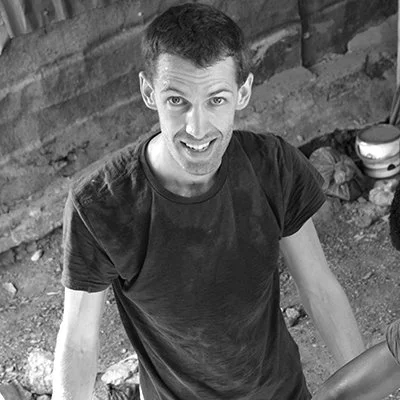
Edward Dale-Harris
Ed is an architect, permaculture designer, and founder of SAWA - an architecture design collective that works with individuals, community groups, charities, organisations and governments looking to support challenged communities in a wide range of contexts. Ed will be supporting the teaching team and leading sessions in natural building, retrofitting and mindfulness.
-
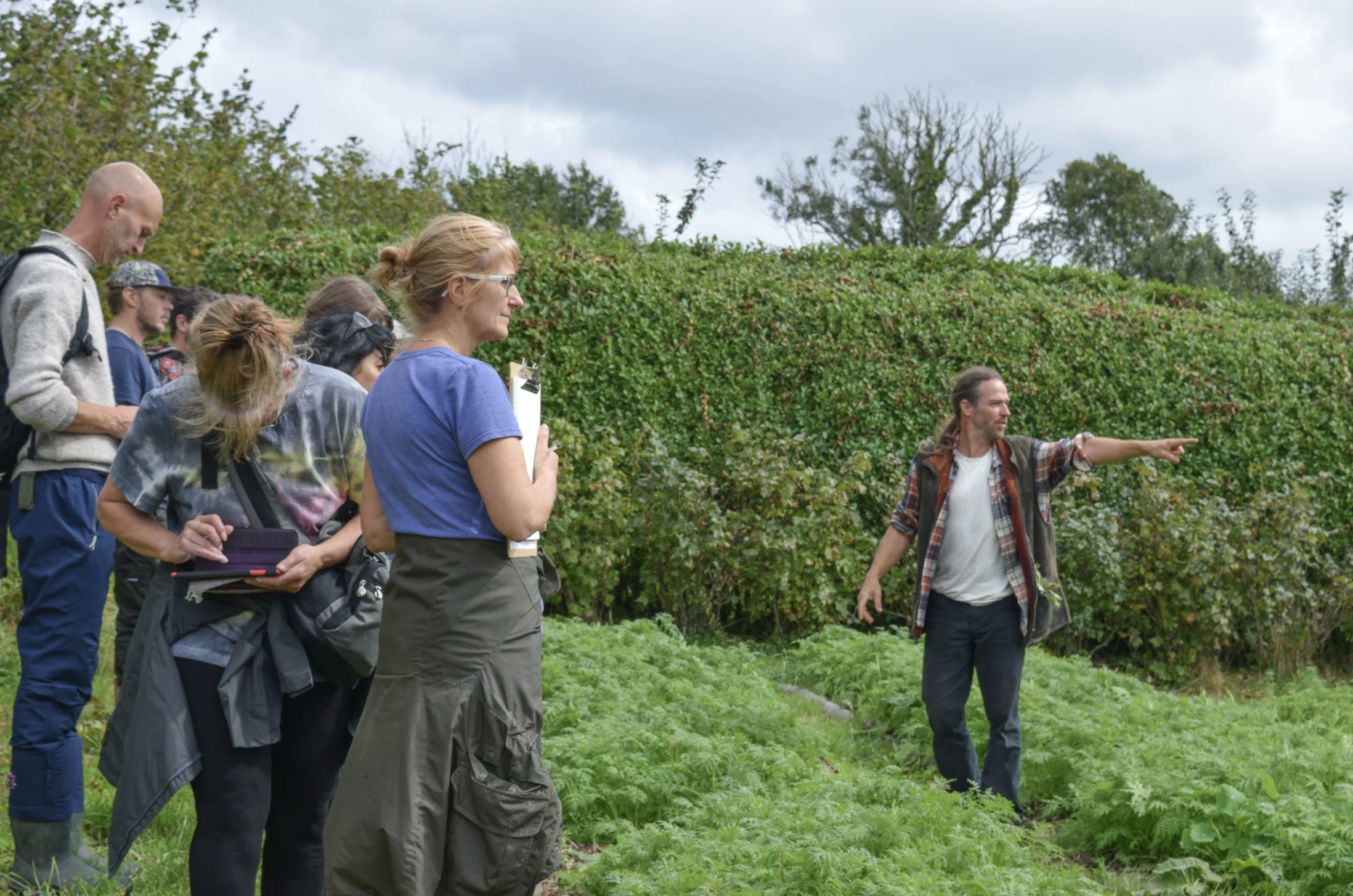
Tao Wimbush
Tao Wimbush has lived off-grid for over 30 years. He is co-founder of the Lammas Ecovillage where he has lived with his family for 14 years, and transformed a bare sheep field into a mosaic of abundance and productivity, We will be visiting Tao’s site on the course.
Tao is an expert in 'One Planet Development' and a Natural Builder extraordinaire. You can read more about Tao here